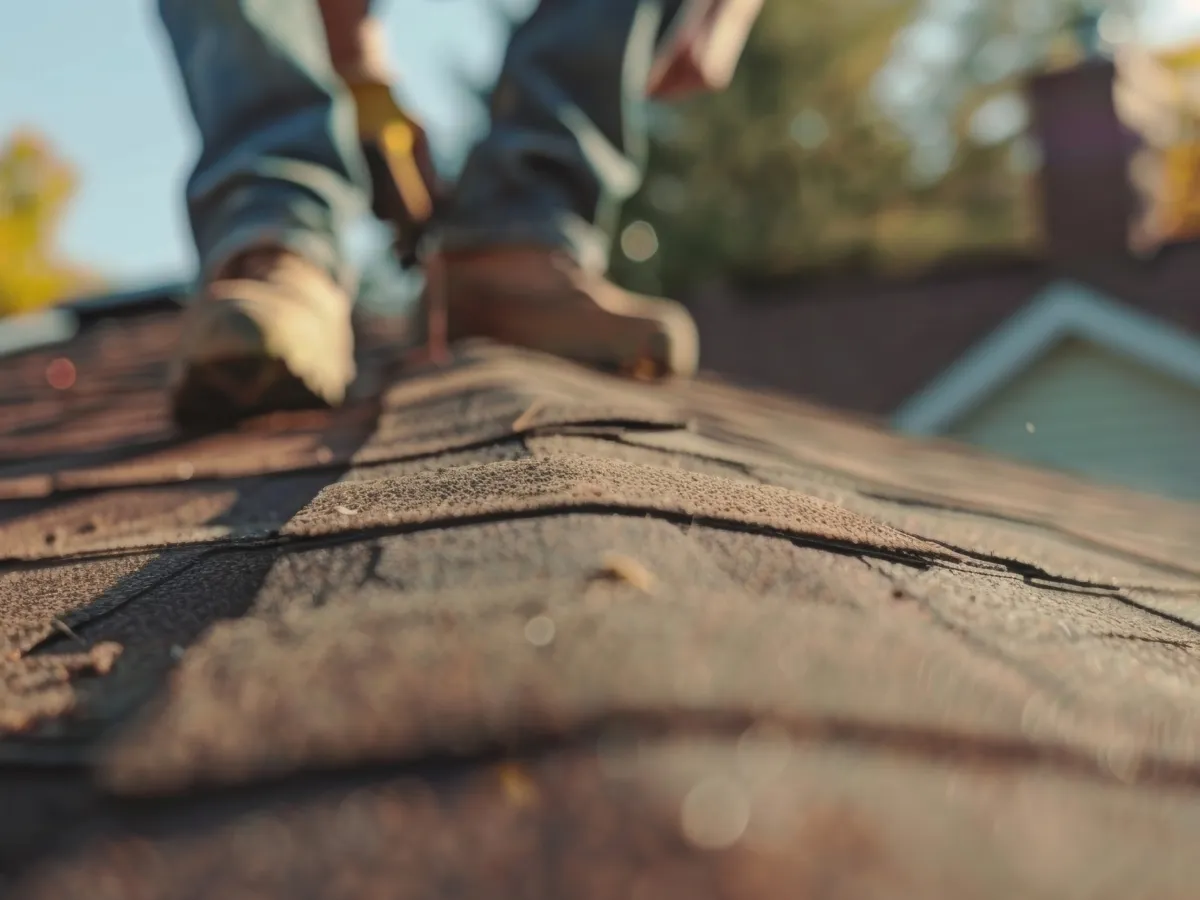
Delaying Regular Roof Inspections
Many homeowners wait until they notice water stains on their ceiling or missing shingles before scheduling a roof inspection. This reactive approach often transforms minor issues into catastrophic failures that require thousands of dollars in emergency repairs. A small crack in flashing or a few lifted shingles can allow moisture to penetrate the roof deck, leading to rot, mold growth, and structural damage that spreads rapidly through your home’s framework.
In North Dakota, the combination of extreme temperature swings, heavy snow loads, and seasonal storms creates unique stress on roofing systems. What begins as a hairline crack in winter can expand dramatically during spring thaw cycles, allowing water infiltration that compromises insulation and framing. Bismarck-area homeowners who skip annual inspections often discover extensive damage only after interior leaks appear, by which point repair costs have multiplied five to ten times beyond what early detection would have required.
Professional roof inspection services identify vulnerable areas before they fail. Trained roofing contractors examine flashing integrity, check for granule loss on asphalt shingles, assess ventilation adequacy, and evaluate structural components that homeowners cannot safely access. These inspections typically cost a few hundred dollars but prevent repairs that routinely exceed five thousand dollars when problems go undetected.
Schedule inspections twice annually, ideally in late spring after winter weather subsides and again in early fall before snow season begins. This proactive approach allows roof repair services to address minor issues during optimal weather conditions, extending your roof’s functional lifespan by years and protecting your home’s interior from moisture damage that can necessitate expensive remediation work throughout multiple rooms.
Choosing the Lowest Bid Without Verification
The temptation to accept the lowest estimate can prove extraordinarily expensive when roof installers cut corners on materials, skip critical installation steps, or disappear before warranty claims arise. Substandard workmanship creates problems that manifest within months rather than decades, forcing homeowners to pay twice for the same project. Improperly installed shingles blow off during the first significant wind event, inadequate underlayment allows moisture penetration, and improper flashing installation guarantees leaks around chimneys and valleys.
Quality roofing contractors invest in proper licensing, insurance coverage, manufacturer certifications, and skilled labor forces that command appropriate wages. These operational costs ensure that installations meet building codes and manufacturer specifications, protecting your investment through proper technique and materials. When roof replacement contractors significantly undercut competitors, they typically compensate by using inferior materials, rushing installation processes, or employing inexperienced workers who lack training in proper installation methods.
Verify credentials before signing any contract. Confirm that contractors carry current liability insurance and workers’ compensation coverage, check references from recent projects, and review online feedback from previous customers. Request detailed written estimates that specify material brands and grades, installation techniques, and warranty terms. Legitimate professionals welcome these questions and provide documentation readily.
The price difference between qualified roofing contractors and discount operators typically represents ten to fifteen percent of the total project cost. However, failed installations from unqualified workers can require complete roof replacement within five years instead of lasting the expected twenty to thirty years. This false economy transforms a modest upfront savings into a total loss that forces homeowners to finance an entire second roof replacement decades before necessary, along with repairing any interior damage caused by premature failure.
Ignoring Storm Damage Until Problems Worsen
Hail storms and high winds cause damage that appears minor from ground level but compromises roofing system integrity in ways that accelerate deterioration. Homeowners frequently assume that roofs without visible holes remain functional, failing to recognize that hail impacts fracture shingle backing, break adhesive bonds, and dislodge protective granules. These hidden impacts create vulnerabilities where moisture infiltrates, UV radiation degrades exposed materials, and wind finds purchase to lift additional shingles during subsequent weather events.
Insurance policies typically provide coverage for storm damage roof repair when claims are filed promptly after weather events. However, coverage often excludes damage that develops over time due to deferred maintenance or unreported incidents. Waiting months or years to address storm damage allows insurance companies to argue that subsequent deterioration resulted from neglect rather than the original weather event, potentially denying claims that would have been approved immediately after the storm occurred.
After significant weather events, contact emergency roofing services for prompt assessment even when no leaks are apparent. Professional evaluation documents damage while evidence remains fresh and clear, supporting insurance claims with photographic evidence and expert testimony about causation. Trained roof installers identify subtle indicators that homeowners miss, including bruising patterns on shingles, compromised sealant strips, damaged flashing, and stressed structural components that may not fail immediately but have been weakened beyond their designed service life.
Storm damage roof repair costs vary based on extent and location of damage, but insurance coverage typically handles legitimate weather-related repairs when properly documented. Delaying assessment risks transforming covered damage into excluded deterioration, leaving homeowners personally responsible for repairs that insurance would have funded. The difference between a fully covered repair and an out-of-pocket replacement often hinges on whether professional evaluation occurred within weeks rather than months of the damaging weather event.
Neglecting Attic Ventilation and Insulation Balance
Attic ventilation problems create conditions that destroy roofing systems from beneath, causing damage that homeowners attribute incorrectly to material defects or installation errors. Inadequate ventilation traps heat and moisture in attic spaces, creating temperature differentials that accelerate shingle aging, promote mold growth, and cause ice dam formation during winter months. These conditions void manufacturer warranties and reduce roof lifespan by decades, transforming a thirty-year roofing system into one that fails within ten to fifteen years.
During Bismarck’s harsh winters, poor attic ventilation allows heat from living spaces to warm roof surfaces unevenly. Snow melts on warmer sections, flows toward colder eaves, and refreezes into ice dams that force water backward under shingles. This water infiltration saturates roof decking, damages insulation, and leaks into walls and ceilings. The resulting repairs often exceed ten thousand dollars when structural components require replacement along with interior finishes throughout multiple rooms.
Summer heat compounds ventilation problems differently but equally destructively. Attic temperatures in poorly ventilated spaces routinely exceed one hundred sixty degrees during peak summer months, baking shingles from below while sun exposure heats them from above. This dual thermal assault causes premature aging, cracking, and curling that would not occur in properly ventilated installations. Shingles designed to last three decades may fail in half that time simply due to excessive heat exposure.
Professional roofing contractors evaluate ventilation adequacy during new construction roofing projects and roof replacement work, calculating proper intake and exhaust ratios based on attic square footage. Correcting ventilation deficiencies during roof replacement adds modest cost but prevents thousands of dollars in premature failure and moisture damage. Homeowners replacing roofs without addressing ventilation problems simply restart the same destructive cycle, wasting their investment on materials that cannot perform properly in compromised conditions.
Attempting Complex Repairs Without Professional Skills
Online tutorials and home improvement enthusiasm lead many homeowners to attempt roof repairs that require specialized knowledge, proper safety equipment, and experience with material properties. Well-intentioned repair efforts frequently worsen existing problems, void manufacturer warranties, and create liability issues that complicate future insurance claims. Improper repair techniques cause immediate failures during the next weather event or create slow leaks that damage structural components before becoming visible inside the home.
Roofing work involves significant safety risks that extend beyond obvious fall hazards. Improper ladder placement, inadequate fall protection, and unfamiliarity with roof surface traction create injury situations that result in emergency room visits, permanent disabilities, and fatalities. Homeowner’s insurance policies may not provide coverage for self-inflicted injuries during voluntary maintenance activities, leaving families responsible for medical expenses and lost income resulting from preventable accidents.
Material compatibility represents another complex consideration that homeowners underestimate. Different shingle types require specific installation techniques, sealants vary in their compatibility with roofing materials, and flashing installation demands precise technique to prevent leaks. Roof repair services understand these technical requirements and carry materials designed for professional application. Hardware store materials marketed to homeowners often lack the quality and specifications necessary for durable repairs, creating problems that manifest after return windows close and projects are considered complete.
The cost difference between professional roof repair services and DIY attempts appears significant when comparing only material expenses against service invoices. However, failed amateur repairs that require professional correction typically cost double what proper initial repairs would have required. Insurance claims may be denied when adjusters determine that homeowner modifications caused or worsened damage, eliminating coverage that would have applied if professionals had performed the work initially. For complex repairs involving flashing, valleys, or structural components, professional expertise proves far more economical than learning expensive lessons through trial and error on your most valuable asset.